
Exploring cultural beliefs How different societies perceive gambling
Historical Context of Gambling
Gambling has existed for centuries, with its origins tracing back to ancient civilizations. In places like Mesopotamia and China, games of chance were an integral part of social and religious practices. The historical context reveals that societies often viewed gambling not merely as a pastime but as a means of divination, seeking answers from the gods through chance-based activities. Today, you can discover the best interac online casinos that reflect the evolution of this practice in modern society.
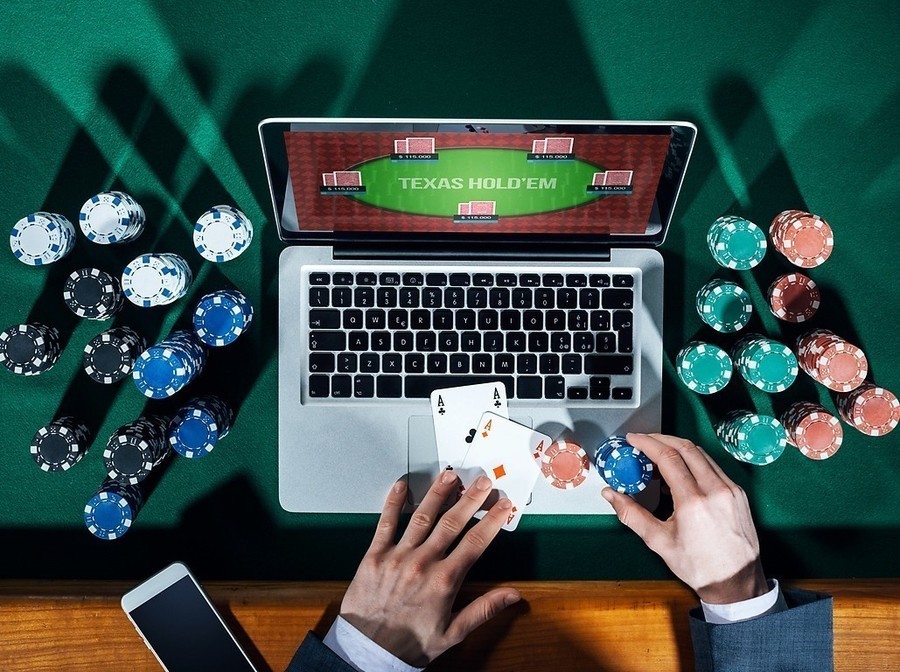
Throughout history, various cultures have embraced gambling in unique ways. For example, in Ancient Rome, betting on gladiator fights was commonplace, reflecting a societal acceptance of risk and fortune. This varied perception lays the groundwork for how gambling is understood today, influenced heavily by historical traditions and cultural narratives.
Cultural Attitudes Toward Gambling
Cultural attitudes toward gambling differ significantly across the globe. In some societies, such as in many parts of Asia, gambling is intertwined with social gatherings and celebrations, often seen as a way to bring families together. In contrast, other cultures may view gambling as a moral failing or a vice, associating it with negative social consequences like addiction or financial ruin. These views often arise from deep-rooted cultural beliefs and societal norms, which shape how gambling is perceived and accepted.
These varying attitudes affect the legal status of gambling in different countries. For instance, nations like Singapore have regulated gambling to ensure it is both a source of revenue and a controlled activity, while in places like the United States, the approach can vary dramatically from state to state, reflecting localized cultural beliefs.
The Role of Religion in Gambling Perceptions
Religious beliefs play a crucial role in shaping how societies perceive gambling. In predominantly Muslim countries, gambling is often strictly prohibited due to Islamic teachings that discourage games of chance. This religious stance influences not only individual behavior but also national laws and societal norms surrounding gambling.
Conversely, in cultures where Christianity or other religions dominate, views on gambling can vary widely. Some sects may accept it as a form of entertainment, while others may denounce it as morally objectionable. This illustrates how deeply ingrained religious convictions can shape gambling practices and perceptions within a society.
Modern Influences on Gambling Culture
The advent of technology and the internet has significantly transformed the gambling landscape. Online gambling platforms have made it easier for individuals to engage in gambling activities from the comfort of their homes, altering traditional views on this pastime. This modern shift has led to a more casual acceptance of gambling, particularly among younger generations.
Additionally, social media and marketing strategies have contributed to normalizing gambling activities, portraying them as glamorous and exciting. These influences are reshaping how societies engage with gambling, creating new dialogues about risk, entertainment, and responsibility.

Interac Casinos: Your Gateway to Safe Online Gambling
Interac Casinos serves as a valuable resource for Canadian players seeking secure online gambling options. With a focus on reliable payment methods, the platform provides insights into casinos that accept Interac transactions, ensuring a smooth banking experience. Such platforms are crucial in a world where advanced strategies can enhance the gaming experience.
Whether you are a seasoned gambler or a newcomer to online gaming, Interac Casinos offers comprehensive reviews and comparisons of trusted platforms. This empowers players to make informed decisions, enhancing their overall gaming experience while prioritizing safety and convenience.
